

Owd Betts - A Legacy of Hospitality and Mystery
Scroll down to learn our story…

Bult in 1796 by Richard and Mary Ashworth, Owd Betts began life as a farmhouse on Ashworth Moor, beside the old turnpike road linking the growing mill towns of Lancashire with Halifax and Huddersfield. As the Industrial Revolution transformed the landscape, bringing mills, mines, quarries, and increasing numbers of travellers, the farmhouse found a new purpose. By the 1820s, it has become a coaching inn known as the Hare and Hounds, offering food, ale, shelter, and stabling to those making the journey across the moors.
The woman whose name would eventually become inseparable from the inn arrived a generation later. Betty Ramsbottom married John Ashworth in 1839, and by the 1840s the couple were running the inn and raising their children there. Life on the moors, however, was not always easy. The family lived through economic hardship, the decline of local industry, and the Lancashire Cotton Famine, before John died in 1866 aged just 49. Betty carried on raising the family whilst running the inn, and she became such a familiar local figure that the pub eventually became known simply as “Owd Betts”.
After around 45 years behind the bar, Betty handed the inn to her daughter Alice and son-in-law Robert Roberts in the 1880s, beginning another chapter in an extraordinary family tradition. Betty died in 1893 and was buried nearby at St Paul’s in Norden, but her name remained above the door. Alice and Robert later passed the pub to their son John Ashworth Roberts in 1914. Through four generations, the Ashworth family had kept the inn alive for more than a century, through enormous changes in the landscape, social industry, and British life, before John finally sold it in 1922.
More than two centuries after Richard and Mary Ashworth first build their farmhouse on the moor, Owd Betts is still doing what it has done for generations: welcoming people through its doors. Its character and remarkable setting have since brought it to television screens in productions such as Scott & Bailey, Last Tango in Halifax, The A Word, Coronation Street, and Brassic. Yet behind all that history remains the story of one family, one remarkably determined landlady, and a little inn on the Lancashire moors that simply refused to disappear.
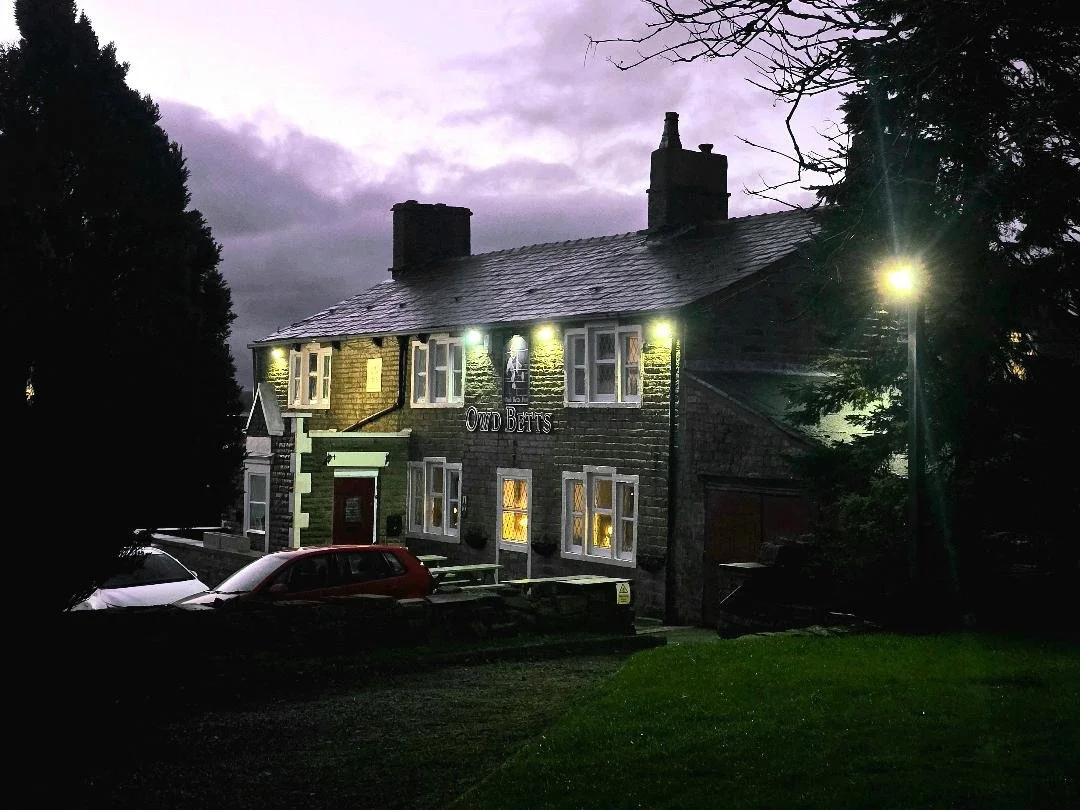
“The spirit of ‘Owd Bett,’ or Betty Ashworth, is said to still roam the corridors, a presence felt by many over the years. Reports of mysterious footsteps, unseen forces, and a general sense of her watchful eye contribute to the pub’s unique and slightly mysterious character.”
Culinary delights
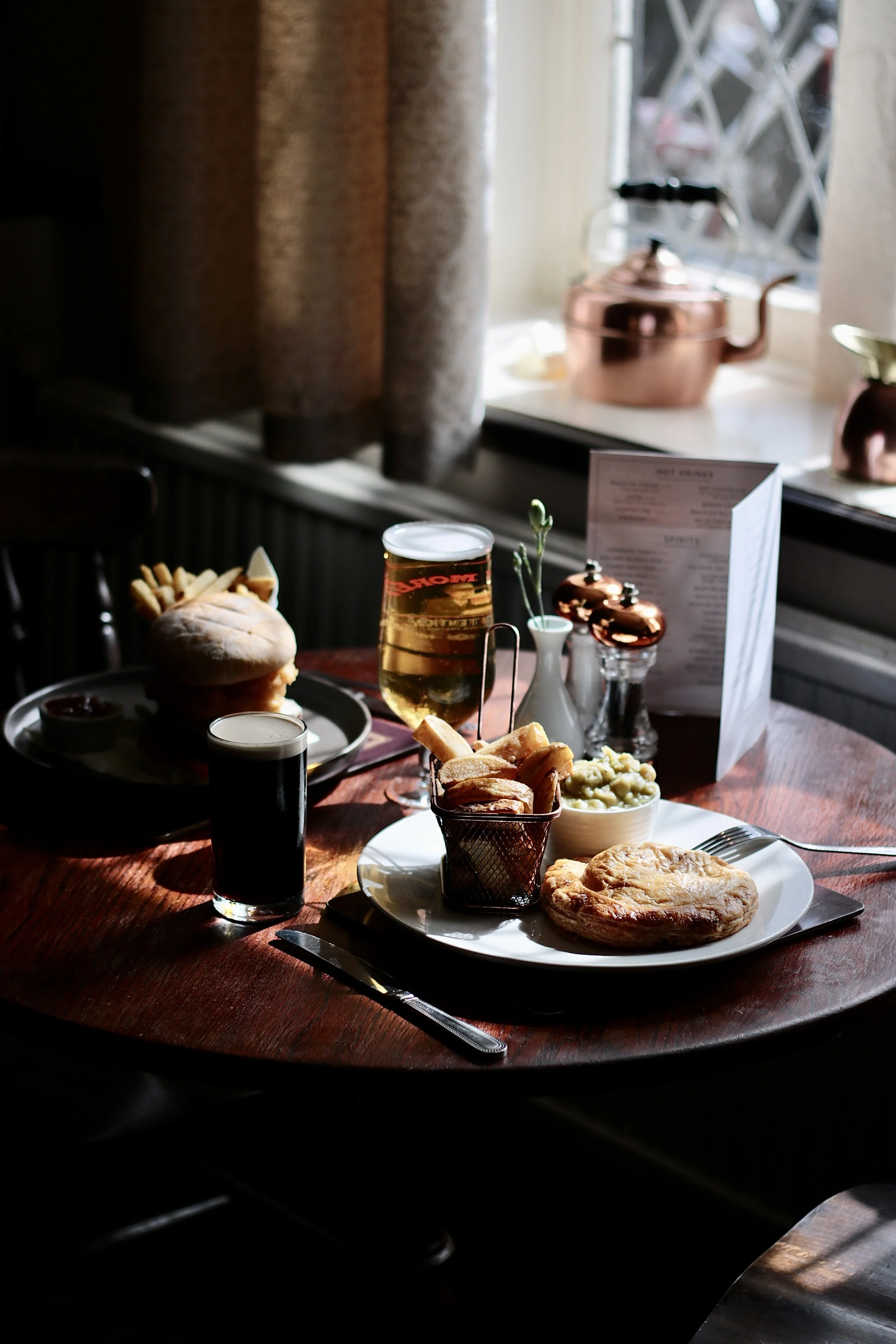
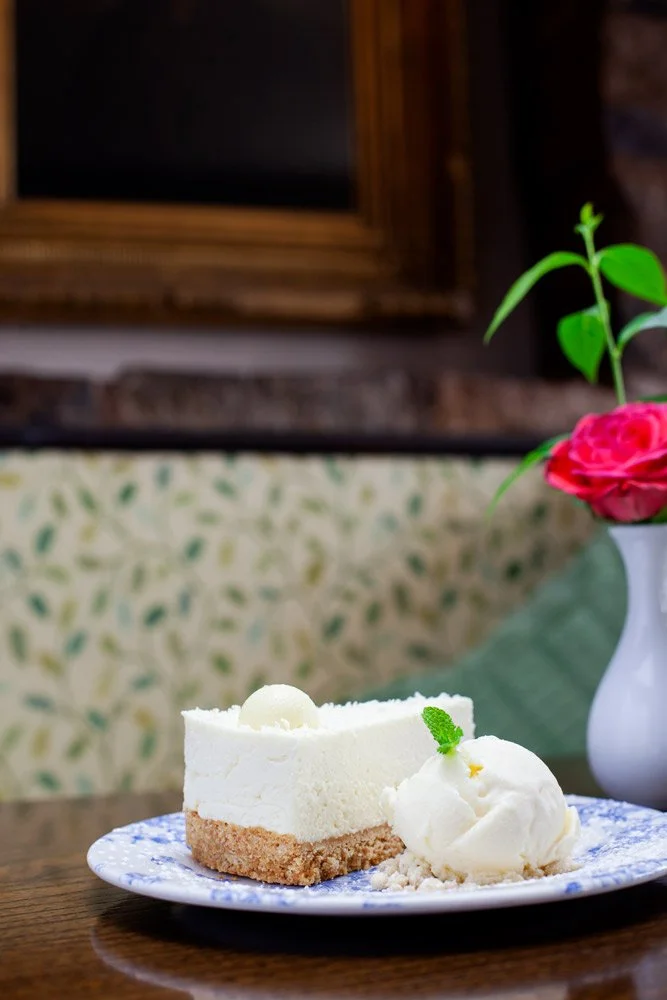
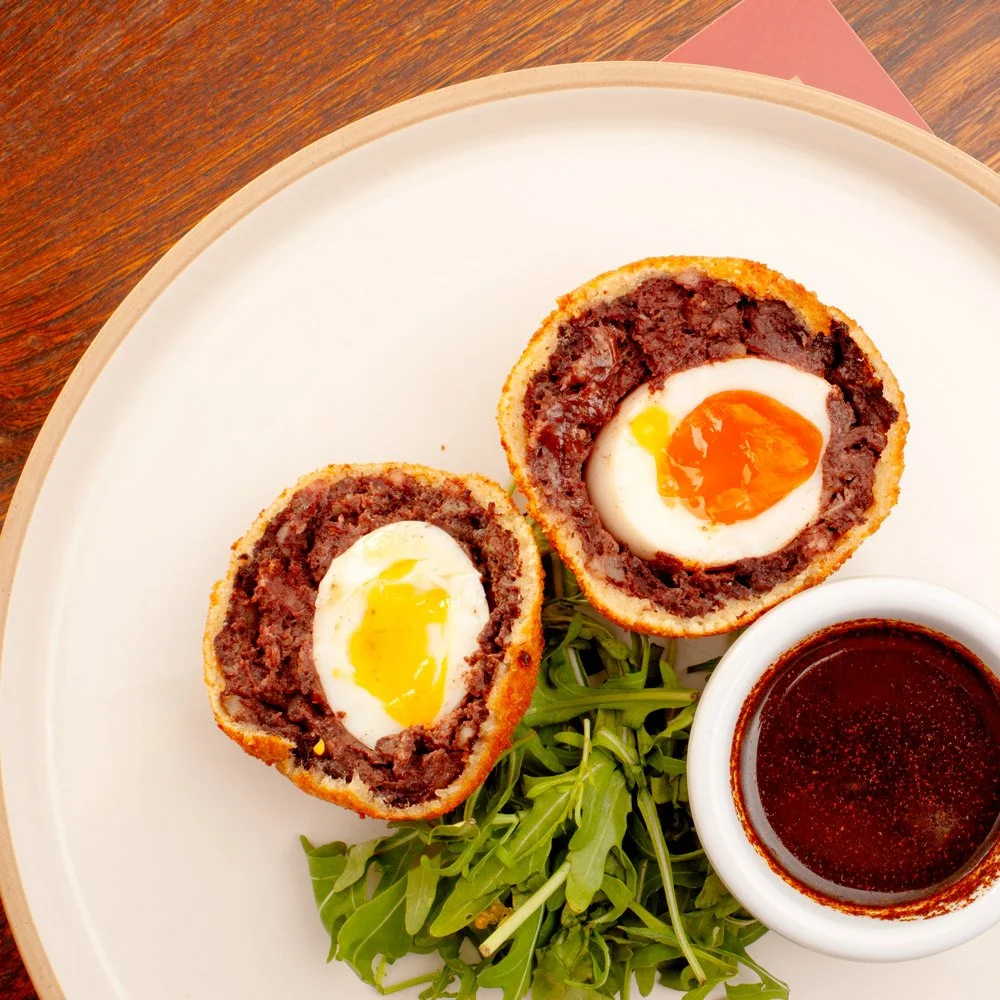
At Owd Betts, we pride ourselves on serving locally sourced food, ensuring that our seasonal menus reflect the best of what the region has to offer. Our culinary highlights include a renowned Sunday roast and a variety of traditional British dishes like Cheese and Onion Pie, Lancashire Hotpot & Rag Pudding. Our commitment to freshness and quality is evident in every bite.


A fine place to drink
Our full bar boasts an extensive selection of drinks. Whether you’re in the mood for a refreshing ale, a fine wine, or a classic cocktail, our drinks menu is designed to complement our meals perfectly and cater to all tastes.


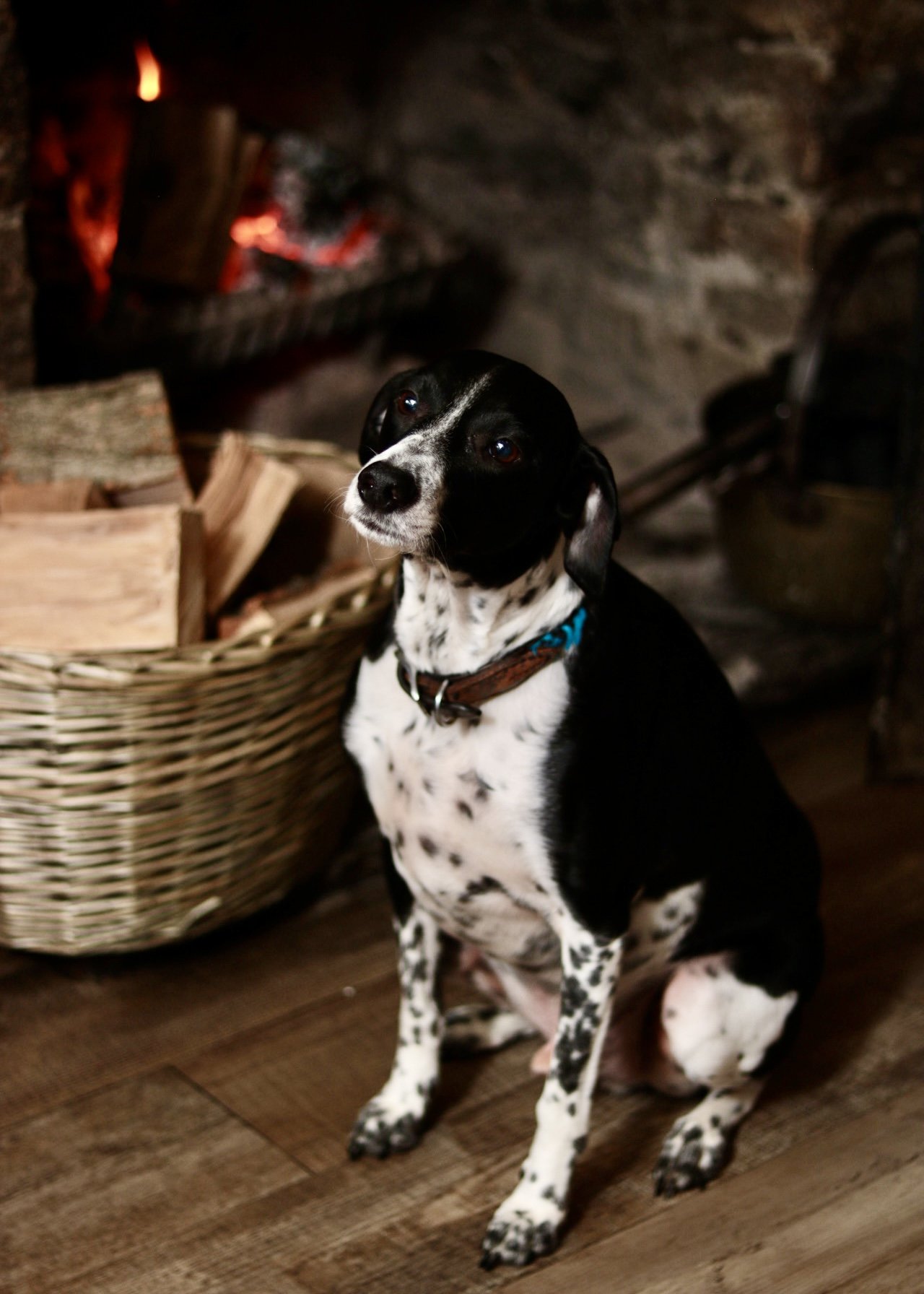

Owd Betts offers an inviting atmosphere with its cozy furniture, exposed brick walls, and a roaring log fire.
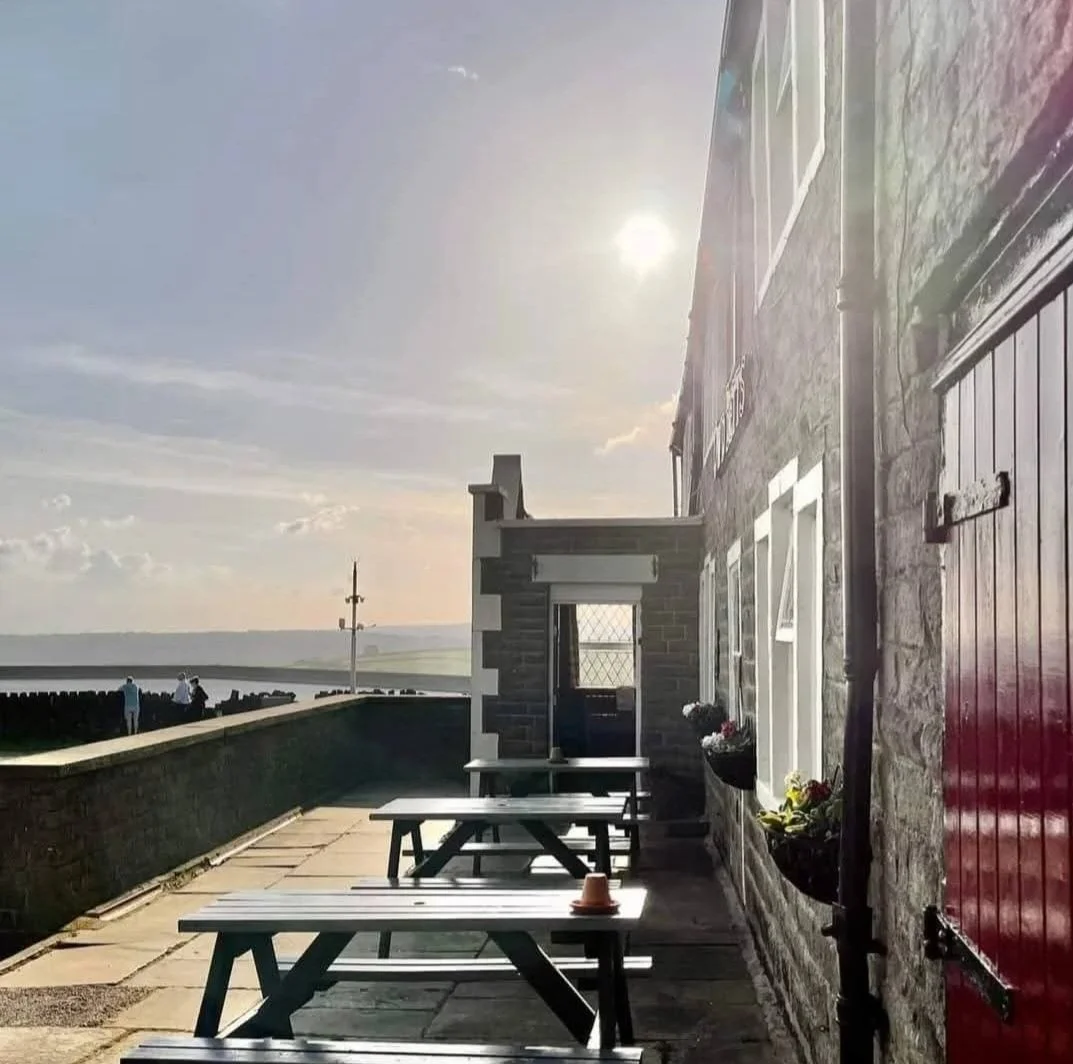
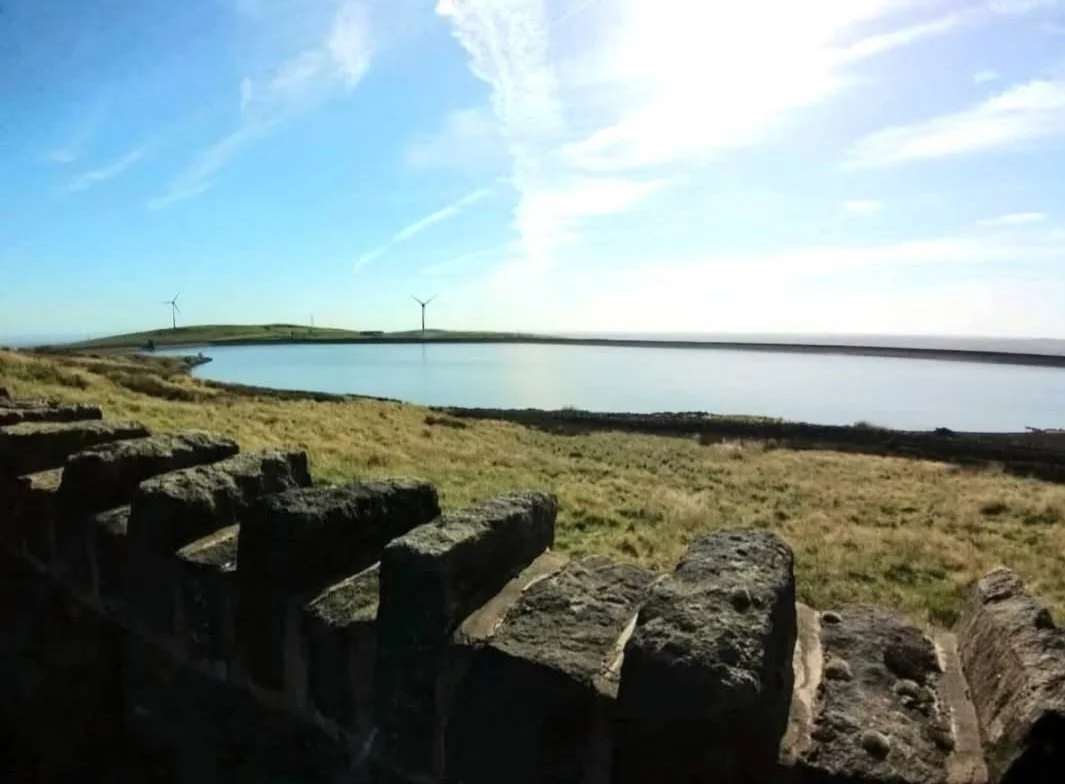
During summer, guests can enjoy the stunning views over the reservoir from our outdoor seating area.
The pub’s dog-friendly policy ensures that even your four-legged companions can partake in the experience
A Period Environment

A Community Staple:
Described as an “institution” by landlord Rhys Knowles, Owd Betts is more than just a pub; it’s a part of the local community’s fabric. Its enduring appeal lies in its blend of history, hospitality, and a hint of the supernatural, making it a must-visit destination for locals and travelers alike.